Navigating the world of turntables often centers on a key decision: automatic versus manual operation․ This choice impacts user interaction,
convenience, and potentially, the overall listening experience․
The debate between these two styles reflects a trade-off between hands-on control and effortless playback․
Modern options, like the Victrola Stream Sapphire, blend classic appeal with contemporary connectivity․
Understanding these differences is crucial for newcomers and audiophiles alike, as it directly influences how you engage with your vinyl collection․
The Resurgence of Vinyl
The remarkable comeback of vinyl records is reshaping the audio landscape, driving renewed interest in turntables and sparking debate about the best way to experience this analog format․ This revival isn’t merely nostalgic; it represents a desire for a more tactile and engaged listening experience, a counterpoint to the convenience of digital music․
Within this resurgence, the choice between automatic and manual turntables becomes particularly relevant․ Fully automatic models, like some from Audio-Technica’s 60 Series, offer a streamlined experience, appealing to those prioritizing ease of use․ Conversely, manual turntables resonate with audiophiles who value complete control over every aspect of playback, believing it contributes to superior sound quality․
The debate extends beyond sound fidelity; it touches upon the ritual of listening․ Manual operation encourages a deliberate interaction with the music, while automatic systems prioritize convenience․ This shift in consumer preference is also influencing manufacturers, like Victrola, to innovate with features like Bluetooth connectivity, bridging the gap between analog warmth and modern lifestyles․
Understanding Turntable Components
A turntable’s core components – the platter, tonearm, cartridge, and motor – work in harmony to extract sound from vinyl grooves․ However, the complexity of these components differs significantly between automatic and manual models․ Automatic turntables incorporate intricate mechanisms for automated operation, including sensors and actuators to initiate and conclude playback․
Manual turntables, in contrast, feature a simpler design, focusing on essential elements and relying on the user to control the tonearm and playback process․ This reduction in mechanical complexity is often cited as a benefit by audiophiles, minimizing potential sources of vibration or interference․
The choice impacts maintenance as well․ Automatic turntables, with their numerous moving parts, may require more frequent servicing․ Manual models, with fewer components, generally demand less upkeep․ Understanding these component differences is key when considering the long-term ownership experience, especially as new technologies like those in the Victrola Stream Sapphire emerge․
Turntable Drive Types
Both automatic and manual turntables utilize either belt-drive or direct-drive systems, influencing speed accuracy and isolation․
The drive type doesn’t inherently dictate automation level․
However, direct-drive is often favored in fully automatic models for precise control, while belt-drive is common in manual setups․
Belt Drive Turntables: Advantages & Disadvantages
Belt-drive turntables employ a rubber belt to connect the motor to the platter, offering inherent vibration isolation․ This isolation minimizes motor noise reaching the stylus, potentially enhancing sound quality – a key consideration for audiophiles․ They are often favored in manual setups, prioritizing sonic purity․
Advantages include a generally lower cost of entry compared to direct-drive, and the replacement of the belt is a relatively simple maintenance task․ The belt itself acts as a shock absorber, further reducing unwanted resonances․
However, belts can stretch or slip over time, leading to speed inconsistencies and requiring periodic replacement․ This is a disadvantage for those seeking a truly “set it and forget it” automatic experience․
Automatic functionality in belt-drive turntables can be more complex and potentially less reliable due to the added mechanisms required for automatic start/stop and cueing․ While possible, fully automatic belt-drive models are less common than direct-drive automatics․
Ultimately, belt-drive excels in delivering a warm, detailed sound, but may demand more user involvement, especially in manual configurations․
Direct Drive Turntables: Advantages & Disadvantages
Direct-drive turntables connect the motor directly to the platter, eliminating the belt entirely․ This design provides precise speed control and quick start-up times, making them popular for DJing and often found in automatic models․ The robust construction contributes to long-term reliability․
A significant advantage is consistent speed accuracy, crucial for maintaining pitch stability during playback․ Direct drive systems are generally less prone to speed drift than belt-drive, and require less frequent maintenance․
However, direct-drive turntables can sometimes transmit more motor vibrations to the stylus, potentially impacting sound quality․ While modern designs mitigate this, it remains a consideration․
Fully automatic turntables frequently utilize direct-drive technology to facilitate precise and reliable automated operation; The mechanisms for auto-return and start/stop are more easily implemented with a direct connection․
While audiophiles sometimes prefer the isolation of belt-drive, direct-drive offers a compelling blend of convenience, accuracy, and durability, particularly in automatic configurations․
Automatic Turntables: A Detailed Look
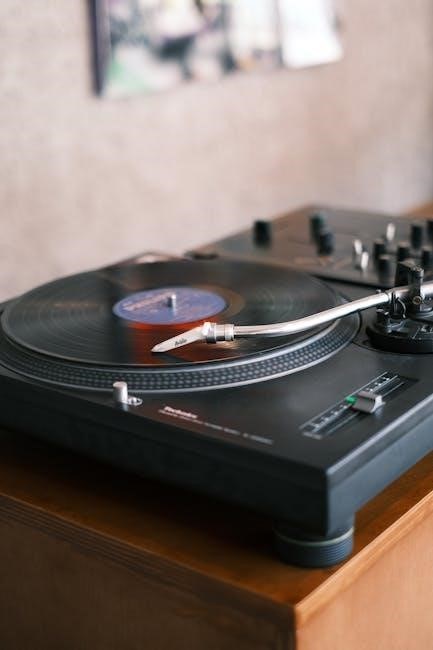
Automatic turntables offer a streamlined listening experience, handling record start, stop, and return with minimal user intervention․
These models prioritize convenience and ease of use for all listeners․
The 60 Series and AT-LP3 exemplify this, allowing simple, hands-free operation․ They represent a significant step towards effortless vinyl enjoyment․
How Automatic Turntables Work
Automatic turntables employ a sophisticated mechanical system to automate the playback process․ When activated, a motor initiates a series of precisely timed actions․ First, the tonearm automatically lifts and moves to the record’s edge․ Then, it gently lowers the stylus onto the vinyl surface, initiating playback․
Throughout the record’s duration, the turntable maintains a consistent speed․ Upon reaching the end of the final track, the tonearm automatically lifts, returns to its resting position, and the turntable shuts off․ This entire sequence is governed by a complex interplay of gears, levers, and sensors․
These mechanisms are what differentiate automatic turntables from their manual counterparts․ Fully automatic models, like some from the Technics SL series, handle every step without user input․ The complexity of these systems often contributes to a higher price point, as more components are required for reliable operation․ However, the convenience they offer is a significant draw for many vinyl enthusiasts․
Fully Automatic Operation Explained
Fully automatic turntables represent the pinnacle of convenience in vinyl playback; Unlike semi-automatic models, these turntables handle the entire process – from placing the record to lifting the tonearm at the end – without any manual intervention․ Simply pressing the “Start” button initiates the sequence․
The turntable automatically lifts the tonearm, positions the stylus in the record groove, and begins playback․ Once the record finishes, the tonearm returns to its rest, and the turntable typically shuts off․ This seamless operation is achieved through intricate mechanical linkages and sensors․
Models like the Audio-Technica AT-LP3 exemplify this ease of use․ While some audiophiles prefer the control of manual operation, fully automatic turntables are ideal for those seeking a hassle-free listening experience․ However, the increased complexity can potentially lead to more components that may require maintenance or repair over time․
Advantages of Automatic Turntables
Automatic turntables offer a compelling blend of convenience and user-friendliness, making them an excellent choice for both newcomers and casual listeners․ The primary advantage lies in their effortless operation – simply press start and enjoy the music, eliminating the need for manual cueing or lifting the tonearm․
This hands-off approach is particularly beneficial for those with limited dexterity or who prefer a streamlined listening experience․ Automatic features minimize the risk of accidentally damaging the stylus or record, offering a layer of protection․
Furthermore, automatic turntables often include features like auto-return, which automatically returns the tonearm to its rest position at the end of the record, preventing unwanted wear and tear․ While potentially more expensive due to their complex mechanisms, the convenience and ease of use often outweigh the cost for many users․
Disadvantages of Automatic Turntables
Despite their convenience, automatic turntables aren’t without drawbacks․ The complex mechanisms required for automated operation introduce more components that are potentially susceptible to failure, increasing the likelihood of needing repairs over time․ This complexity also generally translates to a higher purchase price compared to manual models․
Audiophiles often argue that the automated processes can subtly impact sound quality, as the motors and mechanisms involved may introduce vibrations or interference․ The inability to precisely control the cueing and lifting of the tonearm can also be a limitation for those seeking ultimate control over their listening experience․
Furthermore, servicing and upgrading automatic turntables can be more challenging due to their intricate design․ While user-friendly, they may lack the customization options and direct engagement preferred by dedicated vinyl enthusiasts․
Cost Considerations for Automatic Turntables
Generally, automatic turntables command a higher price point than their manual counterparts․ This increased cost stems from the intricate engineering and additional components necessary to facilitate automated functions like auto-start, auto-return, and full automation․ The more features included, the greater the investment․
Entry-level automatic turntables can be found, but often compromise on sound quality or build materials to meet a lower price bracket․ Mid-range options offer a balance of features and performance, while high-end automatic models can rival the cost of premium manual turntables․
It’s important to factor in potential repair costs as well․ The complexity of automatic mechanisms means repairs can be more expensive than those for simpler manual turntables․ Consider your budget and long-term maintenance expectations when making a decision․

Manual Turntables: A Detailed Look

Manual turntables require the user to physically place the needle on the record and lift it at the end․ This hands-on approach appeals to audiophiles seeking maximum control․
They typically have fewer components, potentially increasing reliability and simplifying cartridge changes, offering a direct connection to the music․
How Manual Turntables Work
Manual turntables operate on a fundamentally simple principle: the user initiates and terminates every stage of the playback process․ Unlike their automatic counterparts, there are no automated mechanisms to lift the tonearm, drop the needle, or return it at the record’s end․
The process begins with the user carefully positioning the tonearm over the record’s lead-in groove․ Gently lowering the tonearm allows the stylus (needle) to make contact with the vinyl, initiating the conversion of physical grooves into audible sound․ Throughout the record’s duration, the user maintains control, monitoring the playback and preparing for the final groove․
At the record’s conclusion, the user must manually lift the tonearm to prevent the stylus from circling endlessly in the run-out groove, which could cause wear and potential damage․ This deliberate interaction is a core aspect of the manual turntable experience․
The simplicity of this design translates to fewer moving parts, potentially enhancing reliability and reducing the likelihood of mechanical failures․ This direct control is favored by many audiophiles who believe it offers a purer, more engaging listening experience, free from the interventions of automated systems․
Advantages of Manual Turntables
Manual turntables offer a compelling suite of advantages, particularly for dedicated audiophiles․ The most significant benefit lies in their simplicity – fewer mechanical components translate to a reduced risk of malfunction and potentially greater long-term reliability․ With less to go wrong, maintenance can be streamlined, and repair costs minimized․
The direct user control is also a major draw․ Audiophiles appreciate the ability to precisely position the stylus, ensuring optimal tracking and sound reproduction․ This hands-on approach fosters a deeper connection with the music and the vinyl itself․
Furthermore, manual turntables often represent a more cost-effective entry point into high-fidelity audio․ Without the added expense of automatic mechanisms, manufacturers can focus resources on enhancing the core components – the tonearm, cartridge, and platter – resulting in superior sound quality for the price․
Finally, the deliberate act of playing a record on a manual turntable elevates the listening experience into a ritual, encouraging mindful engagement with the music․
Disadvantages of Manual Turntables
Despite their appeal to audiophiles, manual turntables aren’t without drawbacks․ The most prominent is the requirement for active user involvement throughout the entire playback process․ This means manually cueing the stylus at the beginning of each record and lifting it at the end, demanding attention and potentially interrupting the listening experience․
This hands-on operation can be less convenient for casual listeners or those who prefer a more “set it and forget it” approach․ It also introduces the risk of accidentally damaging the stylus or record groove if not handled with care․
For individuals with limited dexterity or physical limitations, operating a manual turntable can be challenging․ The precision required for cueing and lifting the tonearm may prove difficult․
While simplicity can be an advantage, it also means foregoing features like auto-return, which can protect both the record and stylus from wear and tear․ Ultimately, the manual operation demands a commitment to the vinyl experience․
The Appeal to Audiophiles
For many audiophiles, the manual turntable represents a purist approach to vinyl playback․ The absence of automated mechanisms is seen as minimizing interference with the delicate audio signal path, resulting in a potentially more accurate and nuanced sound reproduction․
The direct control offered by manual operation allows for precise cueing and tracking, enabling listeners to fully engage with the music and experience the record as the artist intended․ Audiophiles appreciate the ability to fine-tune the playback process and optimize sound quality․
Furthermore, the simpler mechanical design of manual turntables often translates to fewer potential points of failure, enhancing long-term reliability․ The ability to easily change out cartridges, as with the Tech-9 and PL-9, is also a significant draw․
This preference stems from a belief that every component in the playback chain should contribute to, not detract from, the sonic purity of the vinyl record․

Semi-Automatic Turntables: The Middle Ground
Semi-automatic turntables offer a blend of convenience and control, featuring auto-return functionality that lifts the tonearm at the record’s end․
This design minimizes wear on both the stylus and record, providing a compromise between fully manual and automatic operation․
Features of Semi-Automatic Operation
Semi-automatic turntables distinguish themselves through a carefully balanced set of automated features, offering a middle ground between the complete manual control of some models and the full automation of others․ The defining characteristic is the auto-return function, where the tonearm automatically lifts and returns to its resting position upon reaching the end of a record side․
This feature isn’t merely about convenience; it actively protects both your vinyl and the delicate stylus․ By preventing the stylus from continuing to track the run-out groove, it minimizes wear and tear, extending the lifespan of both components․ While the cueing and lifting of the tonearm at the beginning of a side typically remain manual, the auto-return provides a significant benefit․
Some semi-automatic models also incorporate auto-lift functionality, raising the tonearm before the final groove, further safeguarding the stylus․ This nuanced approach appeals to listeners who appreciate a degree of automation without sacrificing the tactile engagement of a manual experience․ It’s a thoughtful design that caters to both practicality and preservation․
Auto-Return Functionality
The auto-return function is a hallmark of semi-automatic turntables, representing a key compromise between fully manual and automatic operation․ Upon completing a record side, this feature automatically lifts the tonearm and gently returns it to its resting position, preventing stylus wear and potential damage to the vinyl’s lead-out groove․
This isn’t simply a convenience feature; it’s a protective mechanism․ Continuously tracking the run-out groove can cause unnecessary wear on both the stylus and the record itself․ Auto-return elegantly solves this issue, ensuring longevity for your valuable vinyl collection․ It’s a particularly appreciated feature for those who might occasionally fall asleep while listening!
While the initial cueing of the tonearm remains a manual process in most semi-automatic models, the auto-return provides a valuable safeguard․ It offers peace of mind, knowing the turntable will handle the final stage of playback responsibly․ This balance of control and automation makes semi-automatic turntables a popular choice for many enthusiasts․
Comparing Automatic and Manual Turntables

The core distinction lies in convenience versus control․ Automatic models prioritize ease of use, while manual turntables offer audiophiles greater command over the playback process․
Reliability and maintenance also differ; manual turntables have fewer moving parts, potentially reducing the risk of mechanical failures․
Sound quality considerations are debated, but both types can deliver exceptional audio fidelity․
Convenience vs․ Control
The fundamental difference between automatic and manual turntables boils down to the level of interaction required from the user․ Automatic turntables, as the name suggests, handle the entire playback process with minimal input․ Simply pressing ‘start’ initiates the process – the tonearm lifts, moves to the record’s edge, lowers, and plays the music․ At the record’s end, the tonearm automatically returns to its resting position․
This ease of use is a significant advantage for casual listeners or those prioritizing simplicity․ However, this convenience comes at the cost of direct control․ Manual turntables demand the user to perform these actions manually – cueing the record, lifting and lowering the tonearm, and monitoring playback․
For audiophiles, this hands-on approach is a benefit, allowing for precise control over the playback experience and a deeper connection with the music․ The ability to manually cue a track or gently lower the stylus is valued․ Ultimately, the choice depends on individual preferences and listening habits․
Reliability and Maintenance
When considering long-term ownership, the reliability and maintenance requirements of automatic and manual turntables differ significantly․ Automatic turntables, with their intricate mechanisms, inherently have more components that can potentially fail․ These complex systems – responsible for automated tonearm movement and return – require periodic servicing and are more prone to breakdowns over time․
Manual turntables, boasting a simpler design, generally exhibit greater reliability․ Fewer moving parts translate to a reduced risk of mechanical issues․ While all turntables require basic maintenance like stylus replacement and belt changes (for belt-drive models), manual turntables typically demand less frequent and less complex repairs․
The cost of repairs can also be a factor․ Fixing an automatic turntable often necessitates specialized knowledge and potentially expensive replacement parts․ Manual turntables, being more straightforward, can sometimes be repaired with greater ease and at a lower cost․
Sound Quality Considerations
The impact of automatic versus manual operation on sound quality is a nuanced topic, often debated among audiophiles․ While the core components – cartridge, tonearm, and platter – are primary determinants of audio fidelity, some argue that automatic mechanisms can introduce subtle compromises․
The concern lies in potential vibrations or resonances generated by the automatic systems during operation․ These vibrations, though often minimal, could theoretically interfere with the delicate signal from the stylus․ However, high-quality automatic turntables are engineered to mitigate these effects․
Proponents of manual turntables often believe the direct connection and control offered by manual operation contribute to a purer sound․ Eliminating the automated mechanisms removes potential sources of interference․ Ultimately, the difference in sound quality is often subtle and may be imperceptible to many listeners, depending on the quality of the turntable and the listener’s equipment․

Modern Turntable Features & Connectivity
Contemporary turntables, regardless of automation, increasingly offer Bluetooth connectivity for versatile listening․
Victrola’s Stream Sapphire exemplifies this trend, bridging analog warmth with modern convenience․
Both automatic and manual models now integrate seamlessly with existing sound systems, expanding accessibility and enjoyment․
Bluetooth Connectivity
The integration of Bluetooth technology into modern turntables, both automatic and manual, represents a significant leap in accessibility and convenience for vinyl enthusiasts․ Historically, enjoying records required a dedicated phono preamp and a compatible amplifier or receiver․ Now, Bluetooth allows for a direct wireless connection to a vast array of devices – speakers, headphones, and even smartphones – eliminating the need for complex setups․
This feature is particularly appealing to those new to vinyl or those seeking a simplified listening experience․ It bypasses the traditional hi-fi component requirements, making it easier to enjoy records in any room of the house․ The Victrola Stream Sapphire, for example, showcases this capability, demonstrating how legacy brands are adapting to contemporary demands․
However, it’s important to acknowledge potential compromises in audio quality when using Bluetooth․ While advancements in Bluetooth codecs are continually improving fidelity, wireless transmission inherently involves some degree of compression․ Audiophiles prioritizing the purest analog sound may still prefer a wired connection․ Nevertheless, for casual listening and convenience, Bluetooth connectivity is a game-changer, bridging the gap between the analog world of vinyl and the digital convenience of modern audio devices․
Victrola Stream Sapphire and New Technologies
The introduction of the Victrola Stream Sapphire at CES 2024 exemplifies the ongoing innovation within the turntable market, blurring the lines between traditional vinyl playback and modern streaming capabilities․ This new model isn’t simply about spinning records; it’s about seamlessly integrating that experience with digital platforms and wireless connectivity․
The Stream Sapphire, and similar emerging technologies, address a key consideration for those debating between automatic and manual turntables: convenience․ While a purist might favor the hands-on control of a manual setup, the Stream Sapphire offers a user-friendly experience with features like built-in streaming to services like Spotify and Tidal, alongside Bluetooth connectivity․
This trend suggests a broader shift in the industry, catering to a wider audience beyond dedicated audiophiles․ Automatic features, combined with these new technologies, aim to simplify the vinyl experience, making it more accessible to casual listeners․ The focus is on bridging the gap between the warmth of analog sound and the convenience of digital music consumption, offering the best of both worlds – regardless of whether you choose an automatic or manual operation․